Which dates to avoid, which seats to book, and how to plan around the year-end and New Year travel rush.
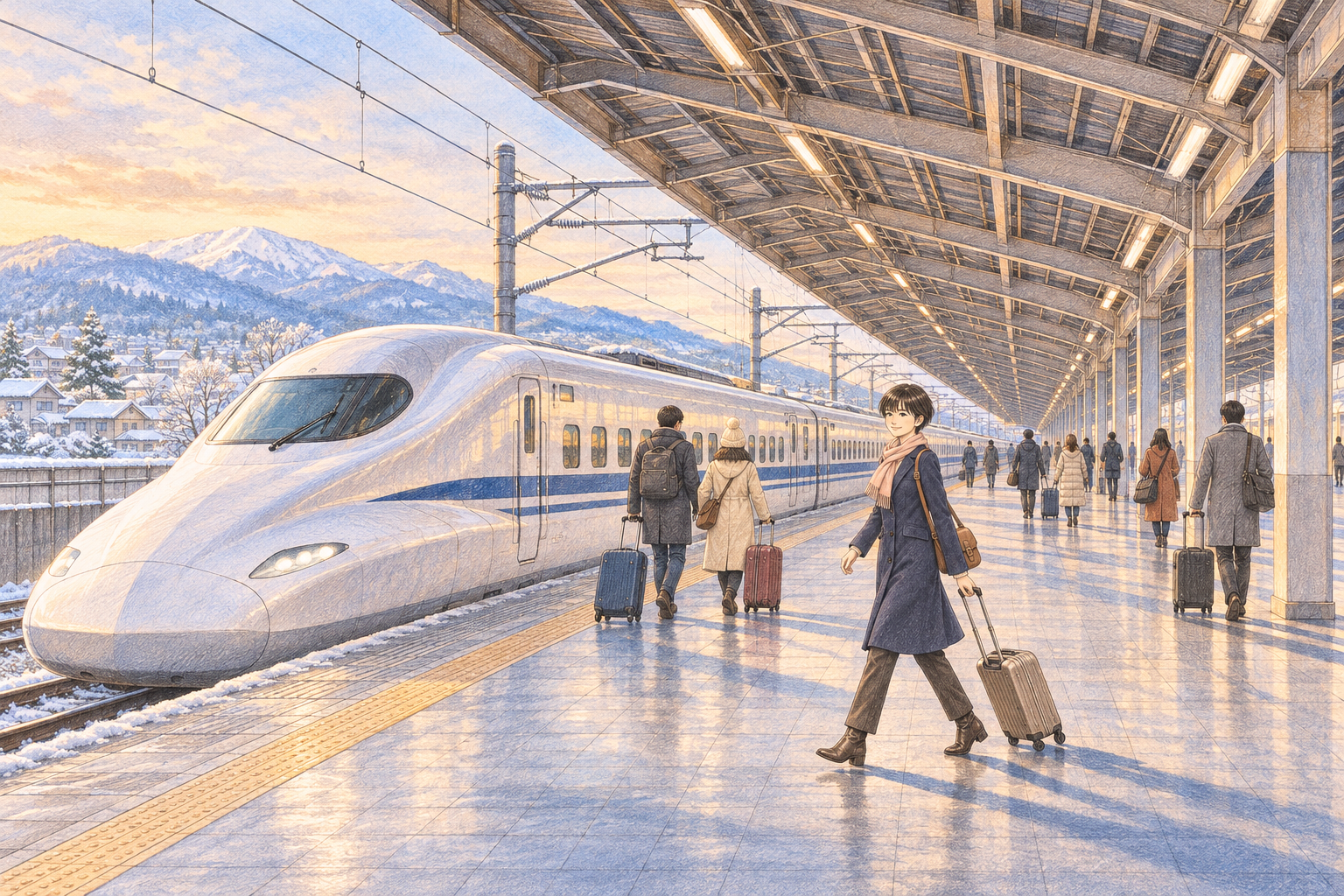
New Year is a lovely time to stay in a Japanese city. You can take part in hatsumode, the first shrine or temple visit of the year, while much of the city takes a few days off. I think it is worth arranging the trip around that pause. If your itinerary includes Tokyo and Kyoto, choose where you want to wake up on January 1, then work backward to book the long train ride.
At a glance
- Stay put for New Year. Plan several nights in one city and make your shrine visit a local outing.
- Dates to avoid if you can. JR Central Tours expects crowds on December 29–30, 2026, and January 2–3, 2027.
- Reserve a seat. You need a reservation to sit on the Nozomi from December 25, 2026, through January 5, 2027.
- From Tokyo to Kyoto. Allow about 2 hours 15 minutes on a Nozomi or about 2 hours 40 minutes on a Hikari, station to station.
Give New Year a home base
Pick the city where you most want to spend New Year’s Day. If that is Kyoto, travel there before the late-December rush and stay through the first few days of January. If you would rather start the year in Tokyo, keep your Tokyo room and move on in the first ordinary workweek. Holding the same room gives you time for a shrine queue without having to collect your luggage and catch an intercity train afterward.
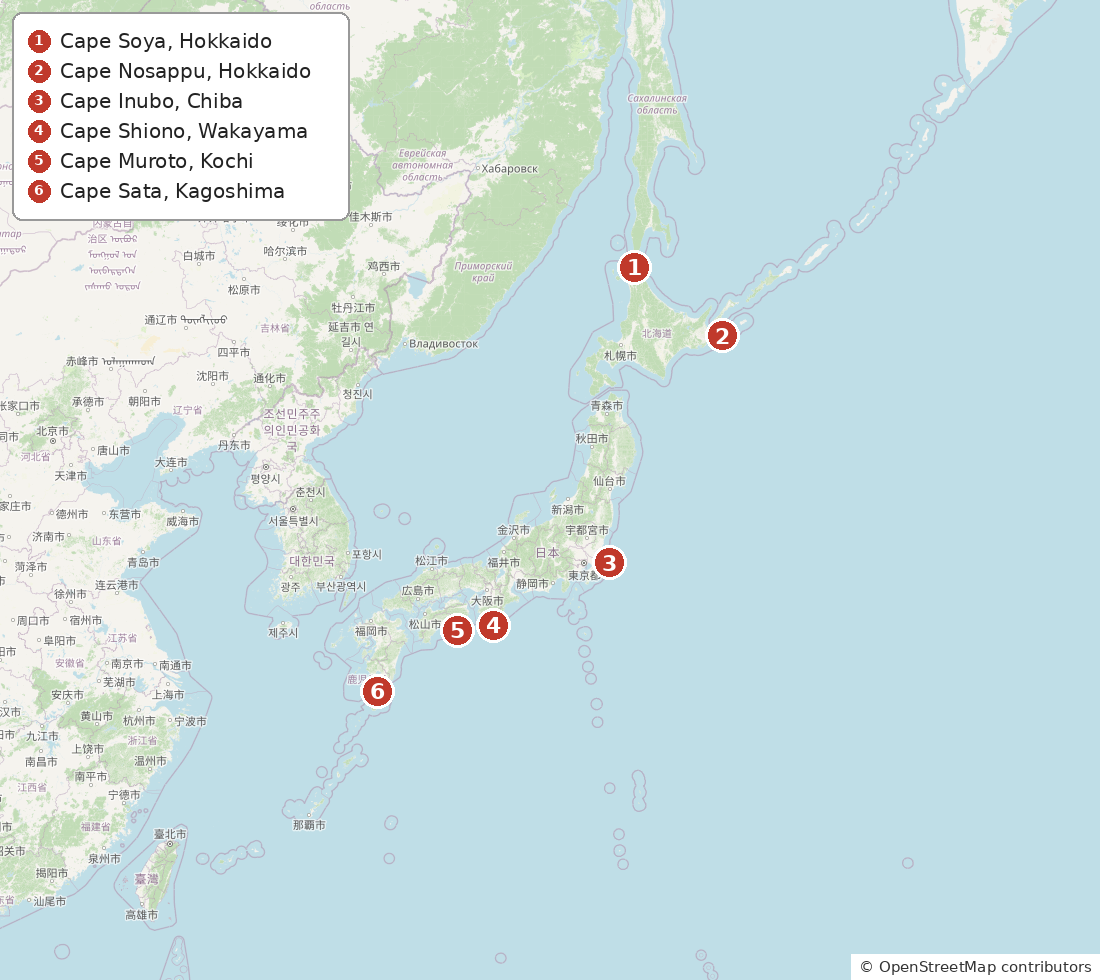
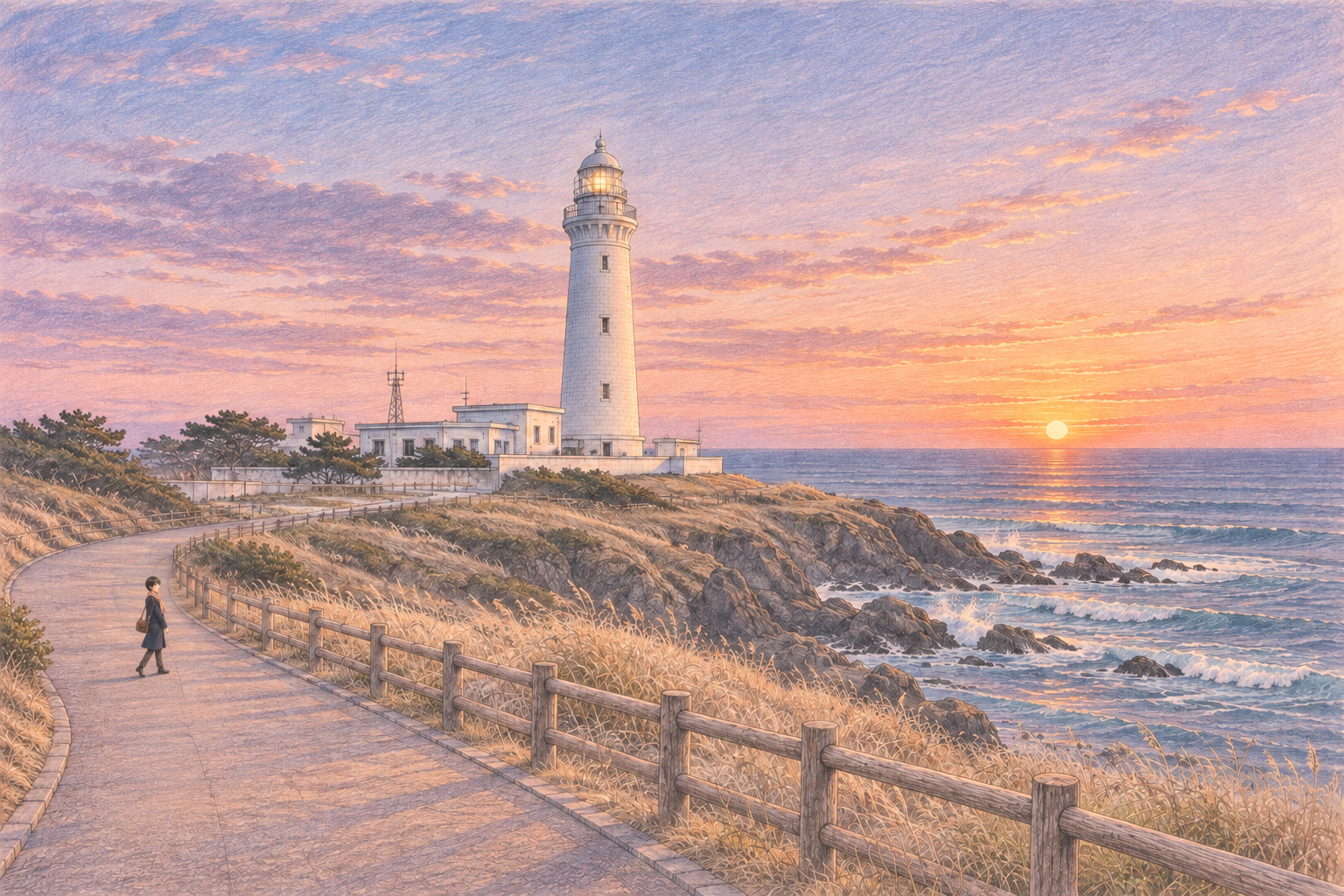
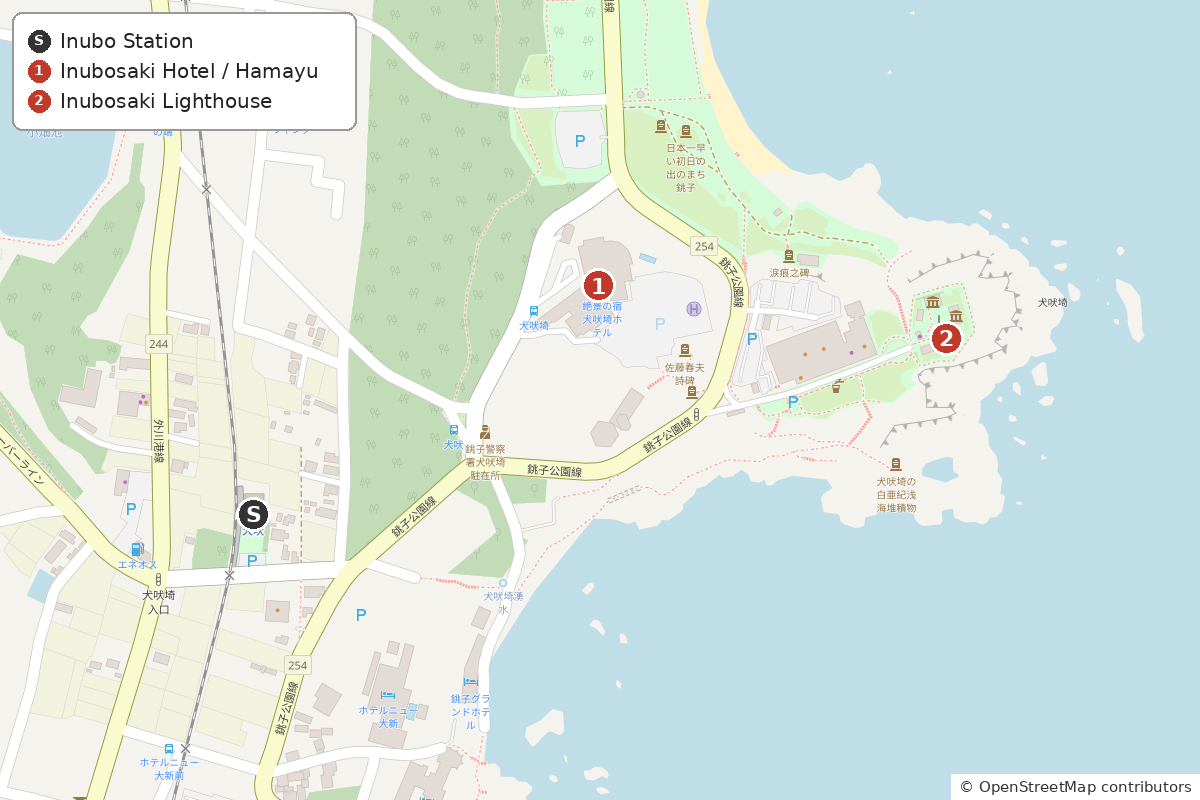
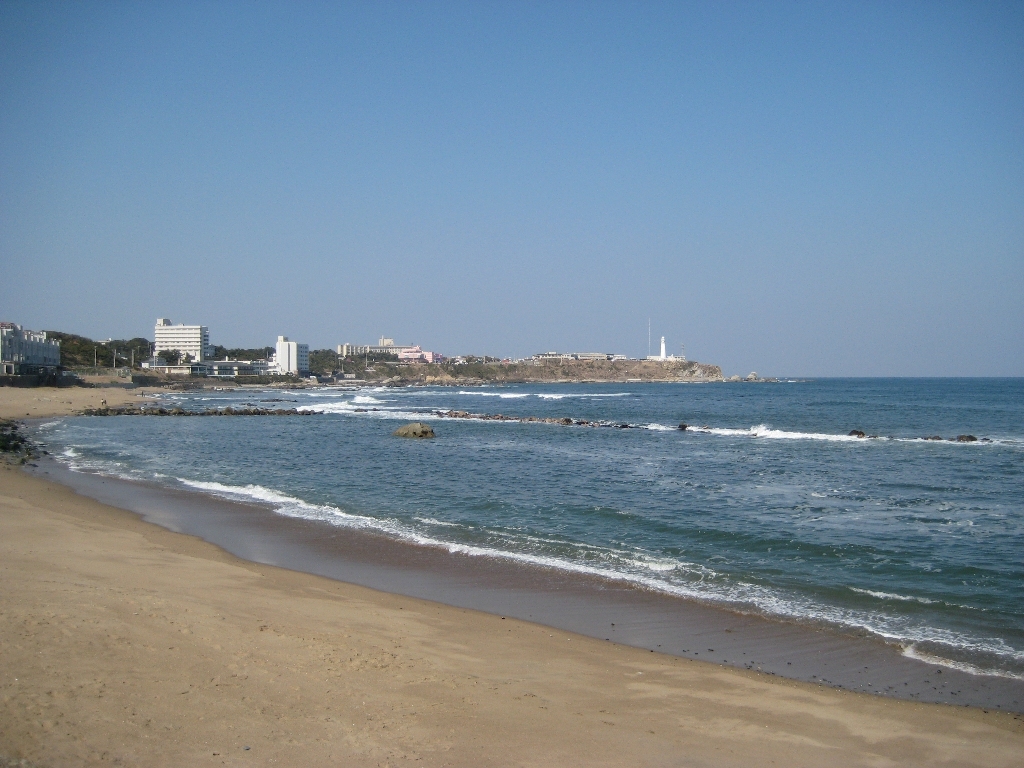
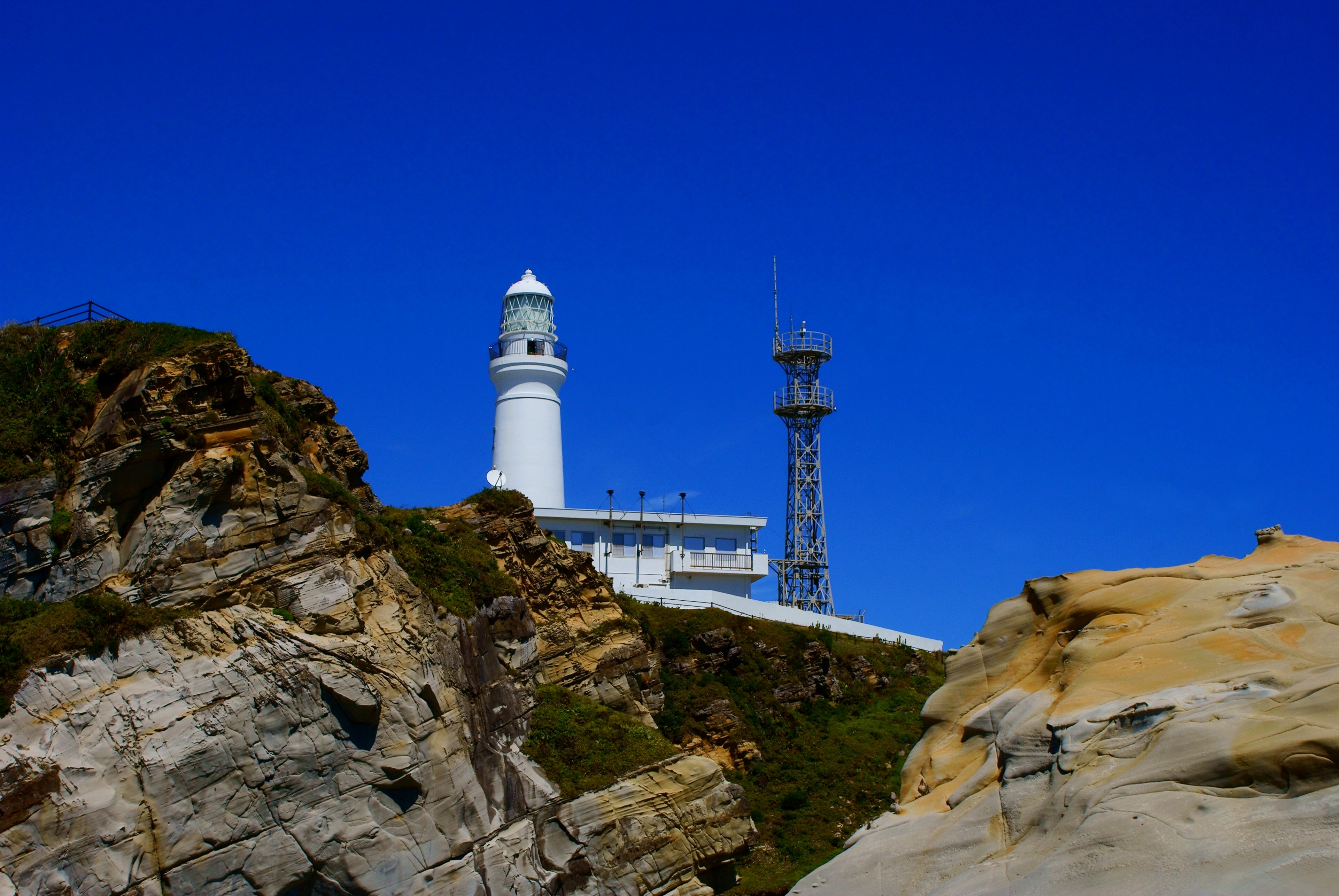
For a local outing, Japan's New Year at Dawn explains how to fit sunrise and a first shrine or temple visit into the morning. If you want to start the year on the Pacific coast, First Sunrise at Cape Inubo covers where to stay and how to reach the cape.
Book the train you actually need
For the Tokaido, Sanyo and Kyushu Shinkansen, start with Smart EX. Search each leg with the actual boarding stations and dates. On a Tokyo–Kyoto trip, look at both Nozomi and Hikari if the first train you try is full. A later train with adjacent seats may suit a group better than a faster departure with everyone scattered across the carriage.
JR Central’s holiday notice explains the seating rules for the published December 25–January 5 period, which covers all Nozomi trains between Tokyo and Hakata. You need a reservation to sit on a Nozomi. A non-reserved limited express ticket allows standing in ordinary cars, such as in the vestibules. It does not allow travel in Green Cars. Hikari still has non-reserved seating, but JR Central warns that those cars can fill. Holders of the nationwide Japan Rail Pass can reserve an eligible Hikari through the pass reservation channels. A Nozomi ride with that pass requires a separate pass-holder ticket.
Reserved seats go on general sale at 10 a.m. Japan time one month before boarding. Put both sale dates in your calendar if your return is several days later. Smart EX offers some bookings up to a year ahead, with limited inventory. On those early bookings, the train and specific seat are finalized at the one-month mark.
Match your Shinkansen route to the booking service
JR East, JR Central, JR West and JR Kyushu have separate apps and reservation services. Start with the route, then check what the app can book. Smart EX is a useful exception: it covers the Tokaido, Sanyo and Kyushu Shinkansen across JR Central, JR West and JR Kyushu.
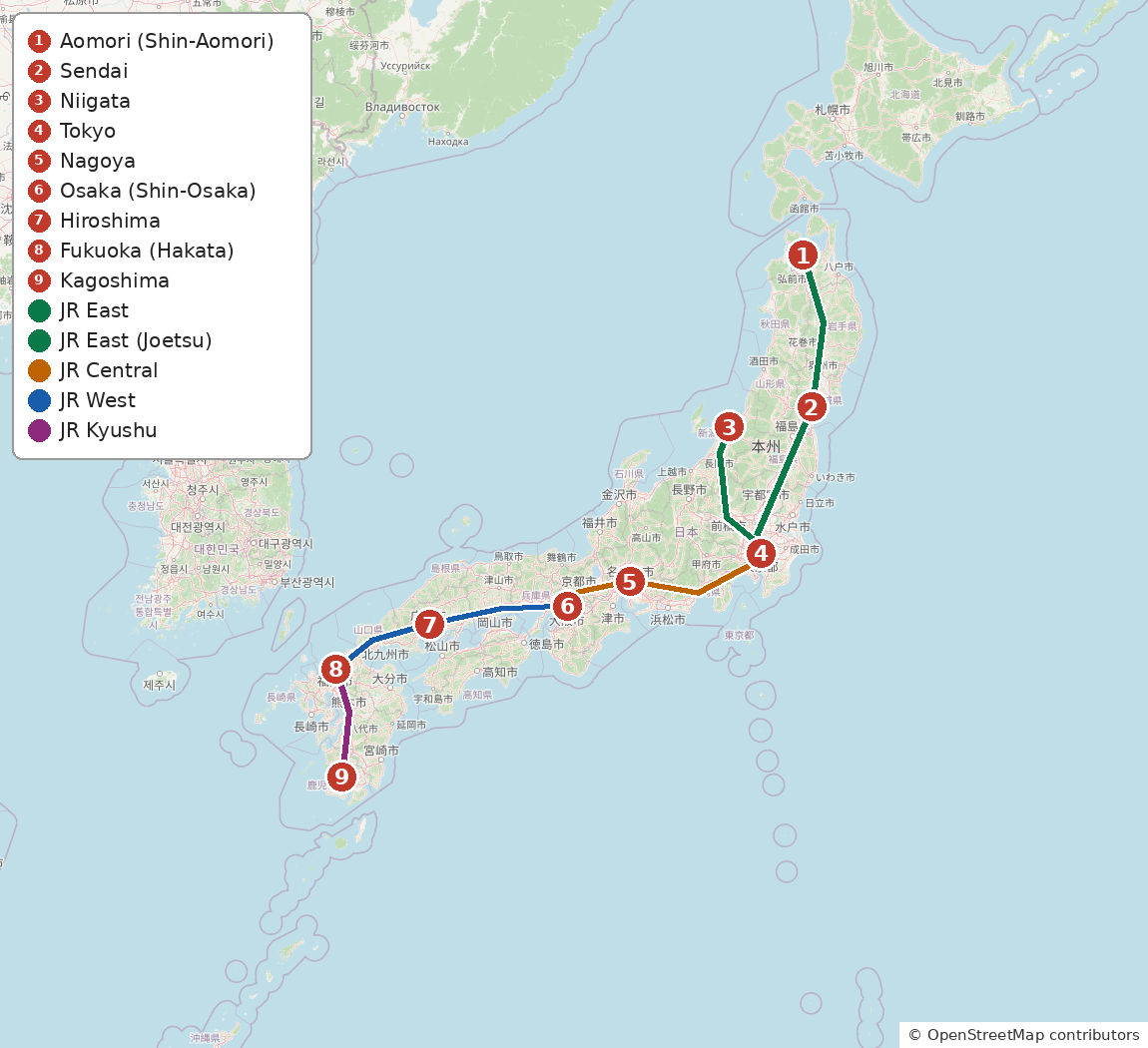
Selected corridors, drawn schematically. Map © OpenStreetMap contributors.
- JR East: Tokyo–Sendai–Shin-Aomori (Tohoku) and Tokyo–Niigata (Joetsu).
- JR Central: Tokyo–Nagoya–Shin-Osaka (Tokaido).
- JR West: Shin-Osaka–Hiroshima–Hakata (Sanyo).
- JR Kyushu: Hakata–Kagoshima-Chuo via Kumamoto (Kyushu).
The Hokuriku Shinkansen also links Tokyo with Kanazawa and Tsuruga. JR East and JR West share that route, with the operator boundary at Joetsumyoko. The map shows selected corridors.
JR East. The Eki-net Ticketless app supports eligible Shinkansen e-tickets. International visitors can start with the English JR-EAST Train Reservation website.


JR Central and the through route west. Smart EX covers all three lines from Tokyo through Osaka and Hakata to Kagoshima-Chuo. If the app is unavailable in your store region, use the Smart EX website.

JR West. WESTER is JR West’s travel app. For seat booking, use its e5489 reservation service or start with JR-WEST Online Train Reservation in English.

JR Kyushu. The JR Kyushu app connects to JR Kyushu’s reservation service. For an English booking option, use JR Kyushu’s Train Reservation website.
Book space for a large suitcase
Measure your bag before you book: add its length, width and height. On the Tokaido, Sanyo, Kyushu and Nishi-Kyushu Shinkansen, a suitcase over 160 cm (63 in) in total and up to 250 cm (98 in) requires a seat with dedicated baggage space. Bags over 250 cm cannot be brought aboard. A bag at or below 160 cm can go on the ordinary overhead rack if it fits safely, or at your feet if there is room. JR Central luggage rules · JR Kyushu luggage rules
- When booking: Choose Seat with Oversized Baggage Area in Smart EX for the Tokaido, Sanyo and Kyushu lines. On the Nishi-Kyushu line, use JR Kyushu’s reservation service or ask at a JR ticket counter. If you’re using a rail pass, ask for that seat when reserving through the pass or at the counter. The baggage space adds no charge to the reserved seat. If those seats are full, try another departure.
- On board: The floor space behind the last row is for the passengers who reserved it. An empty space can be reserved for someone boarding later. Keep bags out of aisles and doorways, and ask the crew if you are unsure where to put yours. If you board with an oversized suitcase without the required reservation, the crew will direct you where to store it and charge ¥1,000.
- Check the sign on deck: Some 16-car Tokaido and Sanyo trains have a deck compartment open to use without reservation under a JR trial. An oversized suitcase still requires the designated seat reservation.
- On the Tohoku, Joetsu, Hokuriku, Hokkaido, Akita and Yamagata lines: Use a free space in the onboard luggage area if your train has one. These areas are unreserved and space is limited. JR East luggage guide
Which dates would I move?
JR Central Tours’ New Year forecast points to two especially busy stretches on the Tokaido corridor. I think a room for an extra night is often worth the flexibility it gives you on the train ride.
| Dates | What to plan around |
|---|---|
| December 25, 2026–January 5, 2027 | A seat on the Nozomi requires a reservation. Book both directions if you travel within this window. |
| December 29–30, 2026 | Crowds expected. Reach your New Year base by December 28 if you can. |
| January 2–3, 2027 | Crowds expected as people head back. Move on from January 4 if your itinerary allows. |
A quieter train ride, with famously hard ice cream
If your dates are flexible, travel outside Japan’s major holiday rushes and make the ride part of the trip. On a Tokaido Shinkansen Nozomi or Hikari, a Green Car seat lets you order snacks to your seat by scanning the QR code at your seat. If Sujahta ice cream is on the menu, give it a try.
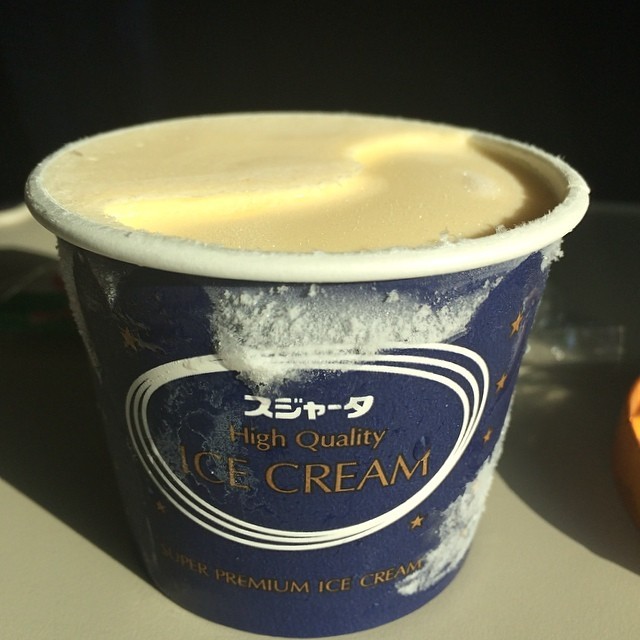
Sujahta ice cream on a Shinkansen, 2014. Photo by Ippei Suzuki, CC BY 2.0.
Its nickname, Shinkansen Sugoi Katai Ice, means “ridiculously hard Shinkansen ice cream.” The first scoop can feel like a test of whether the spoon will survive. Give it a few minutes to soften and try again. It is a small pleasure worth leaving time for on a quieter travel day. How JR-PLUS keeps the ice cream so hard
A simple plan
- Choose your New Year base. For a Tokyo–Kyoto trip, one option is to arrive in Kyoto by December 28 and stay through January 3.
- Reserve the longest rail legs as soon as your dates are firm. If your first choice has sold out, try another train or move the journey by a night.
- Keep January 1 local. If you have an early flight on the way home, spend the previous night in the departure city or near the airport.
Getting there
From Tokyo Station, Kyoto is about 2 hours 15 minutes on a Nozomi or about 2 hours 40 minutes on a Hikari. Start with rail when you have a flight, a reserved onward train, or a fixed check-in deadline.
Highway buses don’t work for getting between cities during the holiday rush. Expressway traffic jams can delay buses by hours. Take the train, especially if you have a flight or another fixed connection. For an early flight, make the intercity trip the day before.