
Make your first shrine or temple visit in daylight. If you want to see the first sunrise, plan around that one appointment.
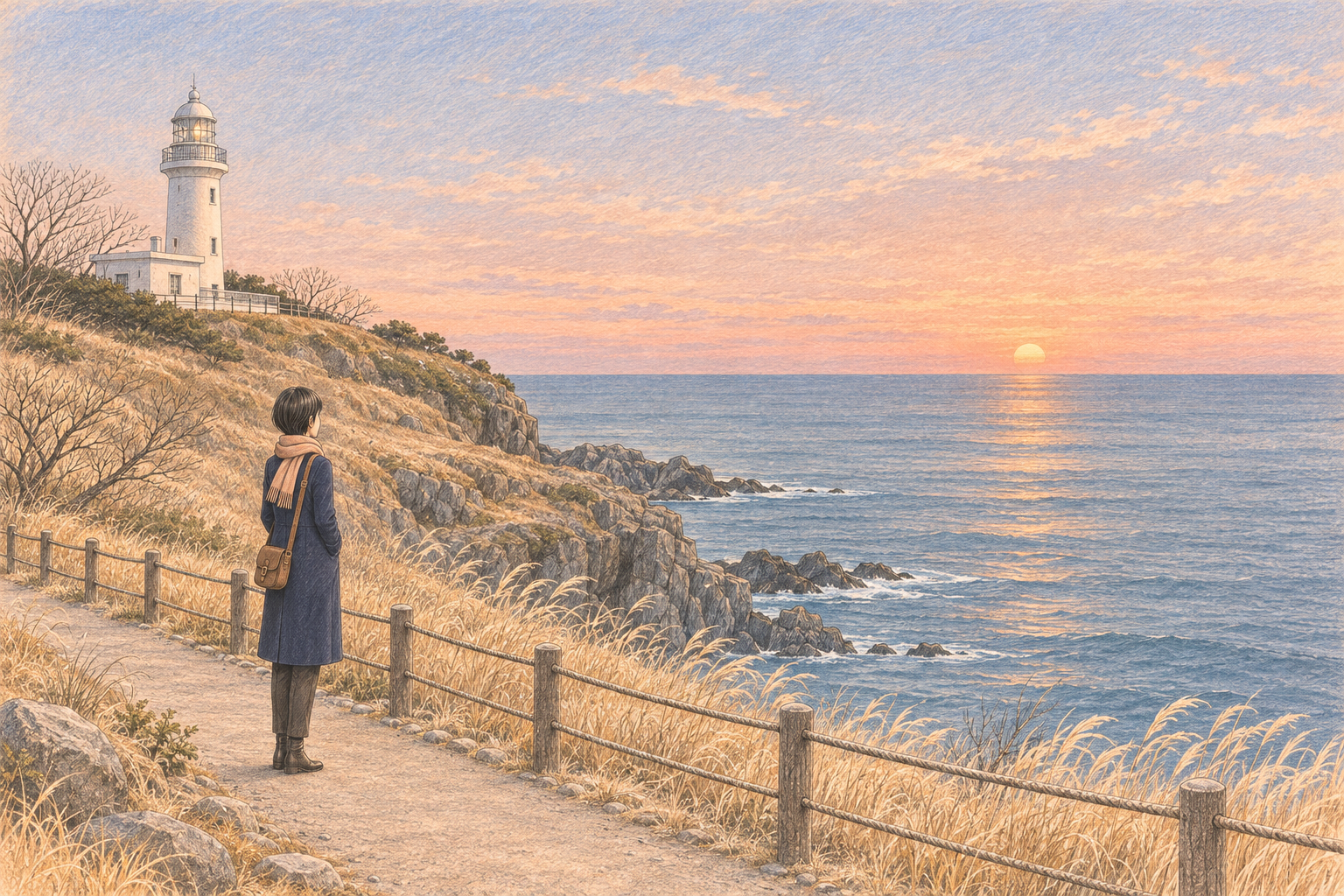
You can make your first shrine or temple visit of the year after breakfast. That visit is called hatsumode, and January 1 through 3 is a customary time for it. The first sunrise, hatsuhinode, has a much narrower window. If I were choosing one reason to be outside in the dark, I would choose the sunrise.
At a glance
- Order: First sunrise on January 1, then a shrine or temple in daylight, on the same day or later.
- For a simpler visit: Choose a neighborhood shrine or temple over a famous site at midnight. January 1 through 3 is a popular window, including in daylight.
- Budget: Allow for transport and breakfast. A coin offering, a charm or a paper fortune is optional.
Give the sunrise the early slot
For hatsuhinode, choose the view before choosing the train. Look for an open horizon in the direction of sunrise and a public viewing spot you can reach before dawn. The National Astronomical Observatory of Japan publishes local sunrise times and bearings. Those times assume an unobstructed horizon, so a ridge or a row of buildings can delay your first glimpse of the sun. An east-facing waterfront can work well if the skyline leaves room for the sun to appear.
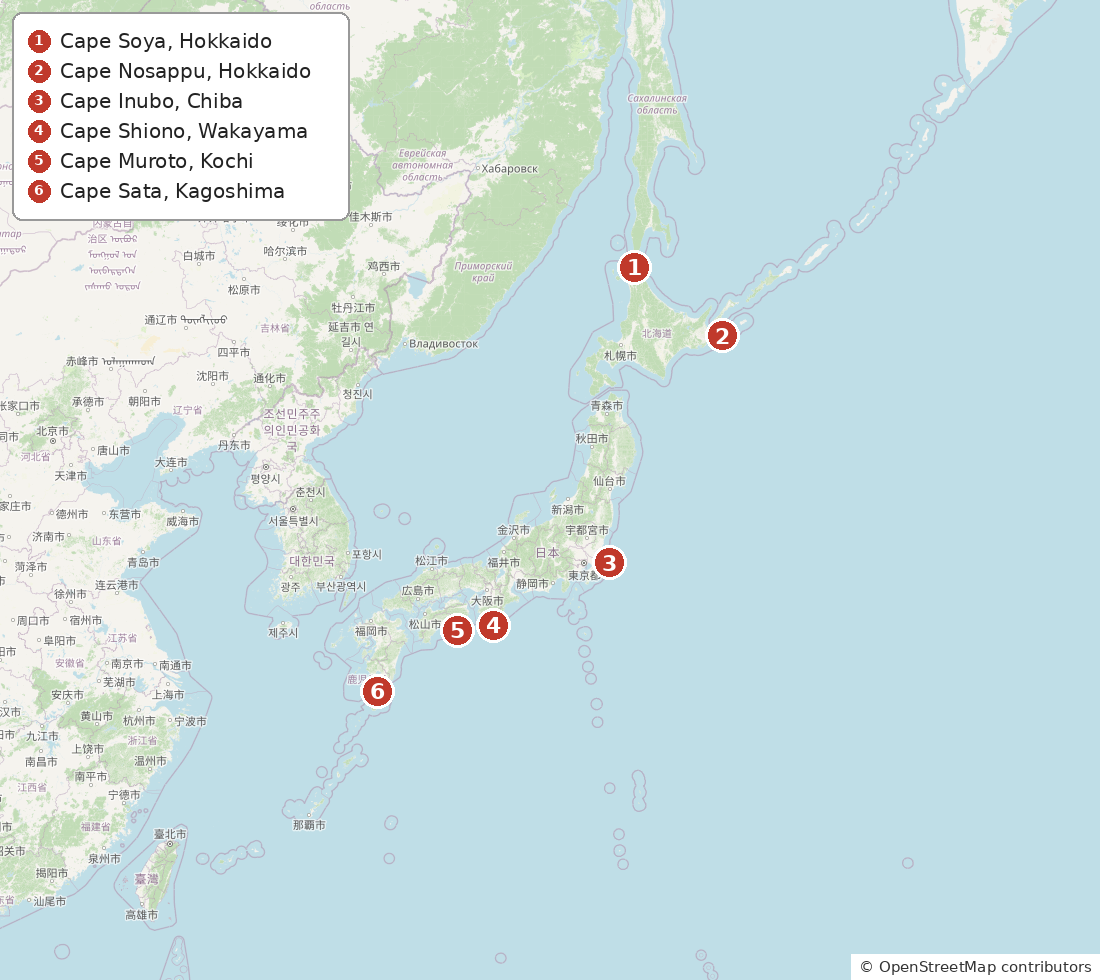
Six coastal spots for New Year’s first sunrise, from Hokkaido to Kyushu. Numbers identify locations. Sunrise data: National Astronomical Observatory of Japan. Map © OpenStreetMap contributors.
An observation deck can give you a clear view above the skyline. In Tokyo, Tokyo Tower’s ticketed sunrise event opens at 5:50 a.m. on January 1, 2027. For a spot you can reach on foot, look for a public waterfront or hill with a clear view and an entrance that is open before dawn. Walk the last stretch in daylight the day before if the route is unfamiliar.
For sunrise over the Pacific in Chiba, Cape Inubo is a coastal option. See First Sunrise at Cape Inubo for the local plan.
Make your first visit in daylight
Midnight is an option if you want the New Year’s Eve atmosphere. At a Buddhist temple, that may include joya no kane, the year-end bell. The daytime visit has the same purpose. It is a chance to give thanks for the year just ended and pray for the one ahead. A local shrine or temple can fit into the morning without a long trip across town.
At a Shinto shrine, the usual pattern is two bows, two claps, a quiet prayer and one final bow. At a Buddhist temple, put your palms together quietly. Follow posted instructions if the site has its own practice. JNTO’s shrine and temple guide explains both. Keep a small coin handy if you would like to make an offering. The line for charms or paper fortunes may be separate from the line to pray. A formal prayer service may also have its own reception desk.
Popular sites can have long queues even after daylight. Meiji Jingu describes the hours around midnight and late morning onward during the first three days as typically busy. Entry routes can change with the crowds. For example, Senso-ji’s 2025 New Year map marked restricted entry around the main approach and directed visitors along a designated route. Give the queue its own time in the day, or choose a smaller site near where you are staying.
If you are returning last year’s omamori (charms) or ofuda (talismans), the Association of Shinto Shrines recommends taking them back to the shrine that issued them. Look for the designated return station, often called koshinpu osamejo. At Meiji Jingu, the visitor guide places it to the right as you face the south purification pavilion and limits returns to items issued by the shrine.
An omikuji is a paper fortune with advice you can read again later. You can take it home or tie it at the designated spot if the shrine provides one, as the Association of Shinto Shrines explains.
Which time should you choose?
| If you want… | Choose… | What to plan around |
|---|---|---|
| Bells or the turn of the year | A temple announcing a midnight observance | The wait outdoors and a way back to your lodging |
| The first sunrise | A viewing spot before dawn on January 1 | Local sunrise, walking time and access to the viewpoint |
| A first visit at your own pace | A shrine or temple in daylight | Opening hours and time for the prayer line |
If you want both traditions, give dawn to the sunrise and keep your temple or shrine visit flexible. If clouds hide the sun or your connection leaves too little time, the daytime visit still gives your New Year’s morning a destination.
Plan for holiday hours
Some shops and attractions close on January 1. In Tokyo, Isetan Shinjuku is closed on January 1, 2027, and reopens January 2. In Kyoto, the Kyoto National Museum is closed from December 28 through January 1. If your sunrise plan starts before breakfast service, pick up breakfast the previous day or plan to eat back at your lodging.
For the night of December 31, 2026, into January 1, 2027, JR East has announced trains after the last regular departures on six Greater Tokyo routes, including both directions of the Yamanote Line. On some routes the additional service consists of just a few departures. If you plan to go out at midnight, plan the return leg as well as the ride there.
A simple plan
- Pick a sunrise spot and work back from first light to the time you need to leave your lodging.
- Choose a shrine or temple for a daylight visit. Leave time for the prayer queue if you pick a famous site.
- Move shopping or museum visits to an open day and keep the hours after sunrise free for breakfast and hatsumode.
No comments:
Post a Comment